Navigation
prev
next

endotic data

the search for self awareness

“Imperfection, ambiguity, opacity, disorder, and the opportunity to err, to sin, to do the wrong thing: all of this are constitutive of human freedom.”

“Humans make errors. We make errors of fact and errors of judgment. (…) Sometimes we can’t even answer the simplest questions. Where was I last week at this time? How long have I had this pain in my knee? How much money do I typically spend in a day? These weaknesses put us at a disadvantage. We make decisions with partial information. We are forced to steer by guesswork. We go with our gut. (...) If you want to replace the vagaries of intuition with something more reliable, you first need to gather data. Once you know the facts, you can live by them.”

“Numbers make problems less resonant emotionally but more tractable intellectually. (...) In the cozy confines of personal life, we rarely used the power of numbers. The techniques of analysis that had proved so effective were left behind at the office. (...) Why not use numbers on ourselves?”

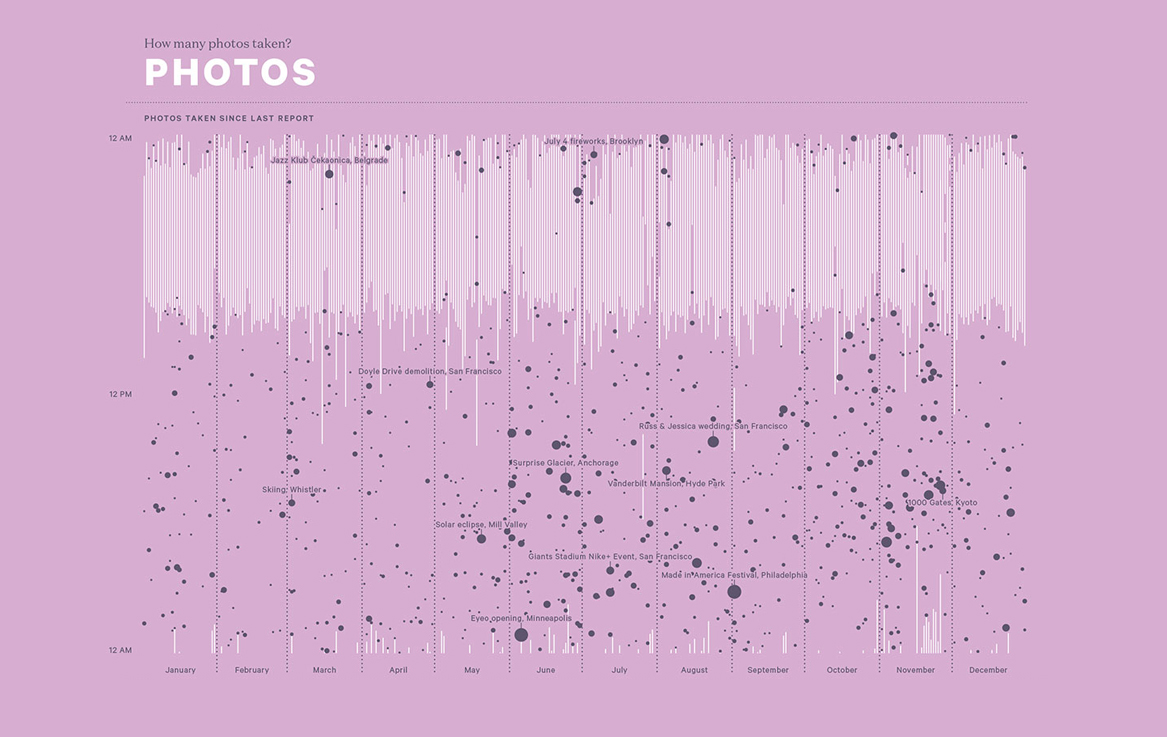
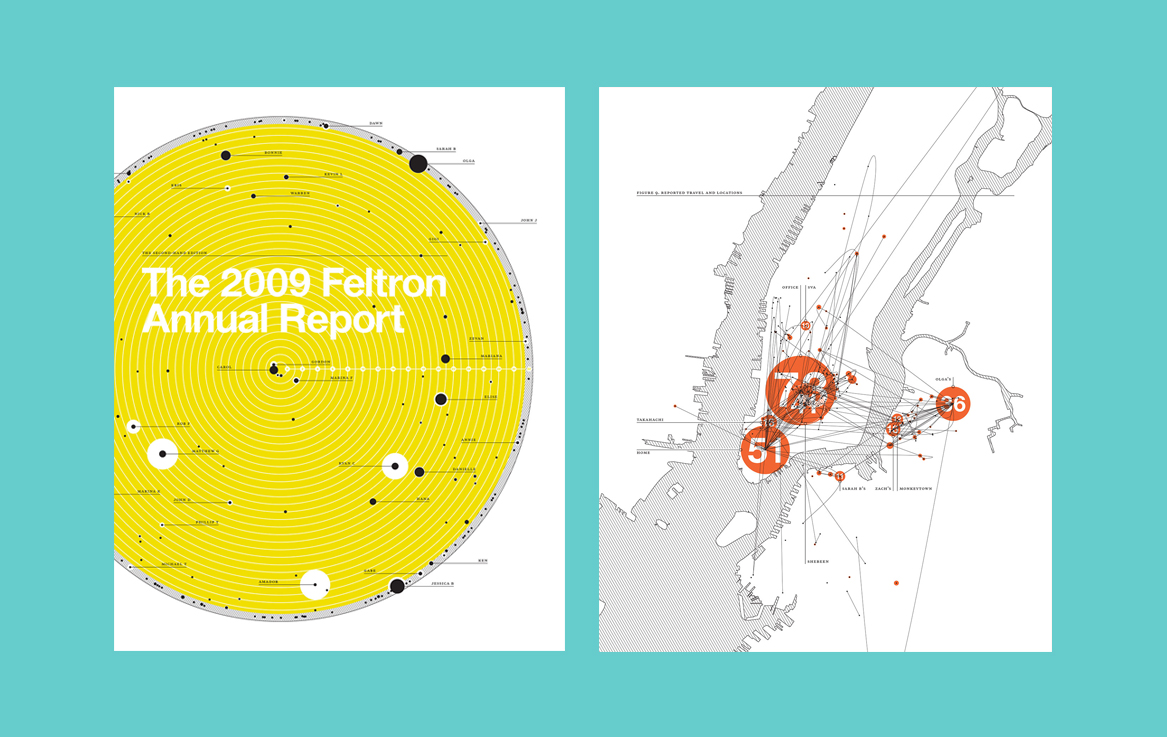
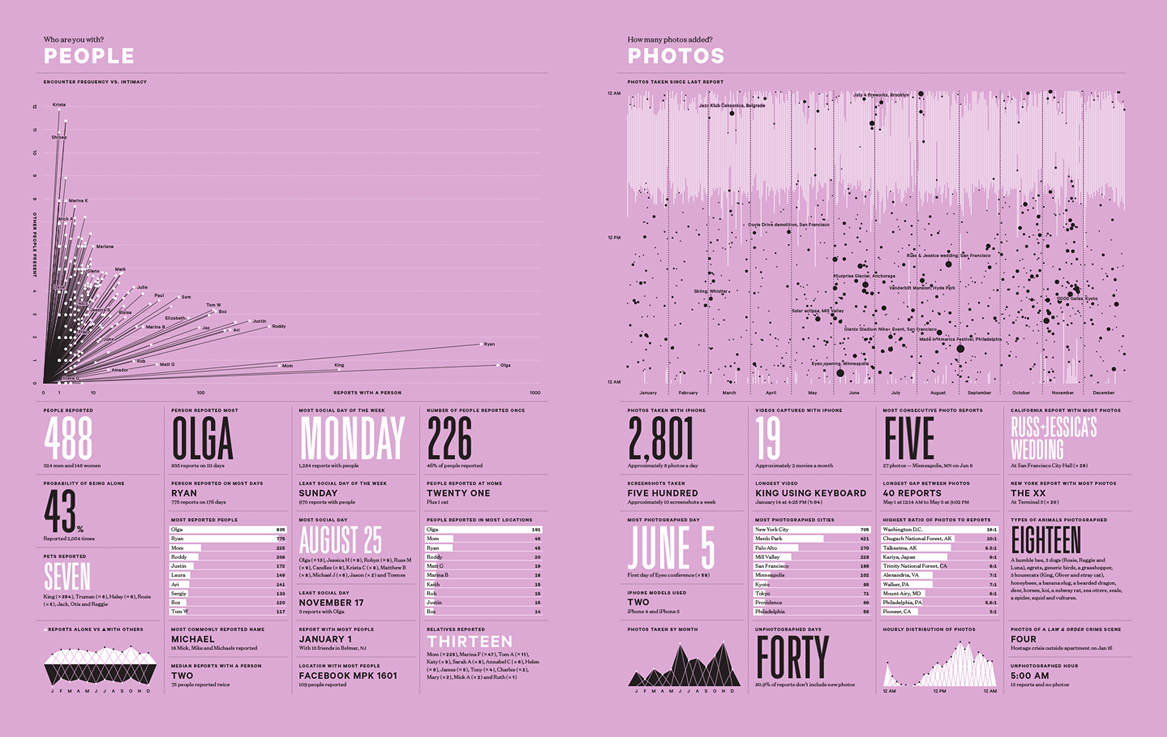
“Nicholas Felton began producing annual reports about various activities he had engaged over the previous year in 2005, wich he published under the moniker ‘Feltron’ in the form of a printed annual report. Beginning with such data as the number of songs listened to, miles flown books read, restaurants visited, types of foods eaten, and so on he began to form a composite portrait of his life, expressed in various charts and graphs of his design. Feltron’s project recalls the work of Charles Madge, Tom Harrison and Humphrey Jennings, who created Mass-Observation in 1930s Britain that used observers to record the everyday behaviours of average citizens unlike Madge’s and Harrison’s third party reportage, Feltron typically relies instead on self-recording, reporting and interpretation of data.”


“People do things for unfathomable reasons. They are opaque even to themselves.”

“Behind the allure of the quantified self is a guess that many of our problems come from simply lacking the instruments to understand who we are. (...) Self-tracking, in this way, is not really a tool of optimization but of discovery.”

“As we continue to do our dance with technology, the importance of turning back towards ourselves, grows greater.”

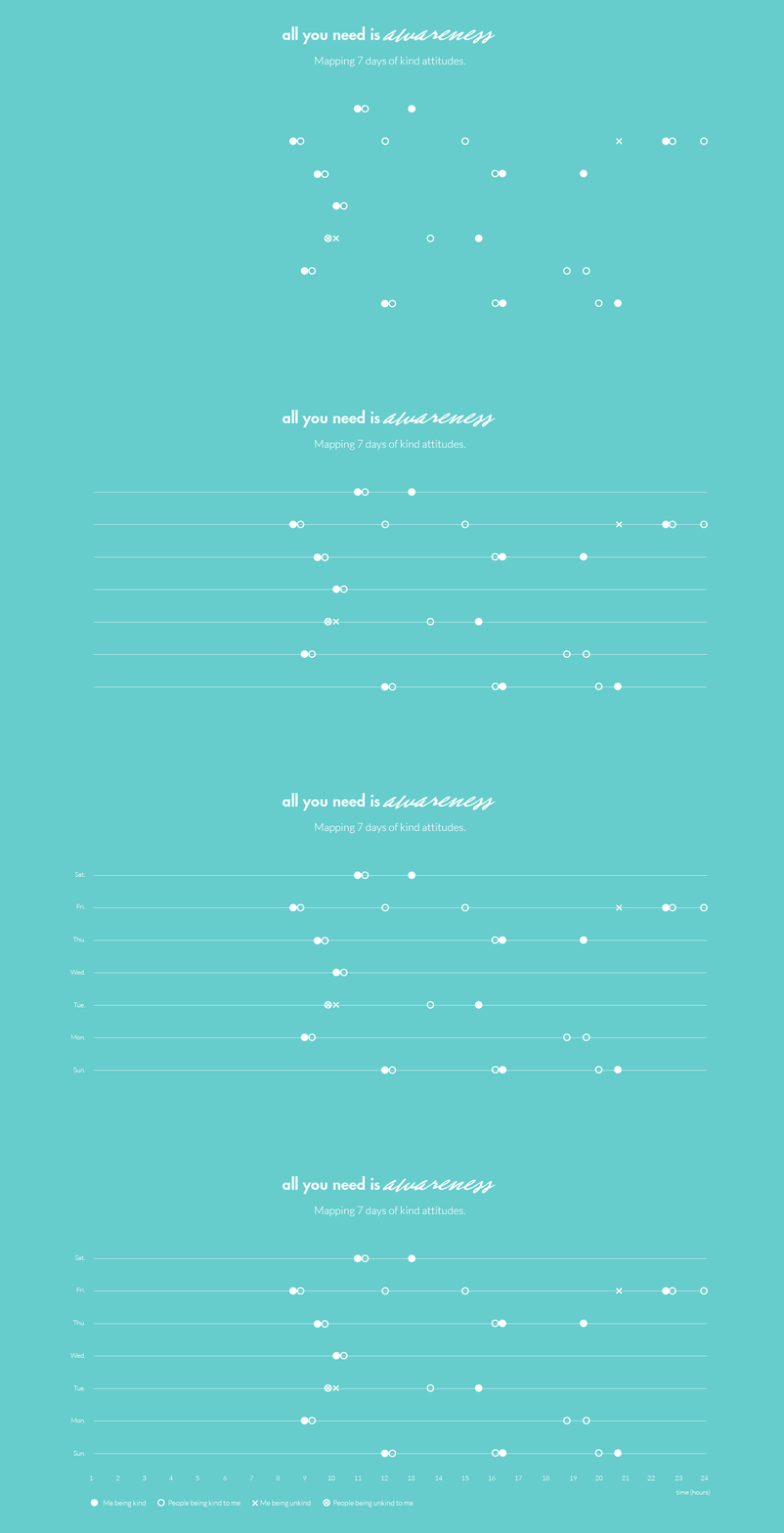
All you need is awareness
Menu