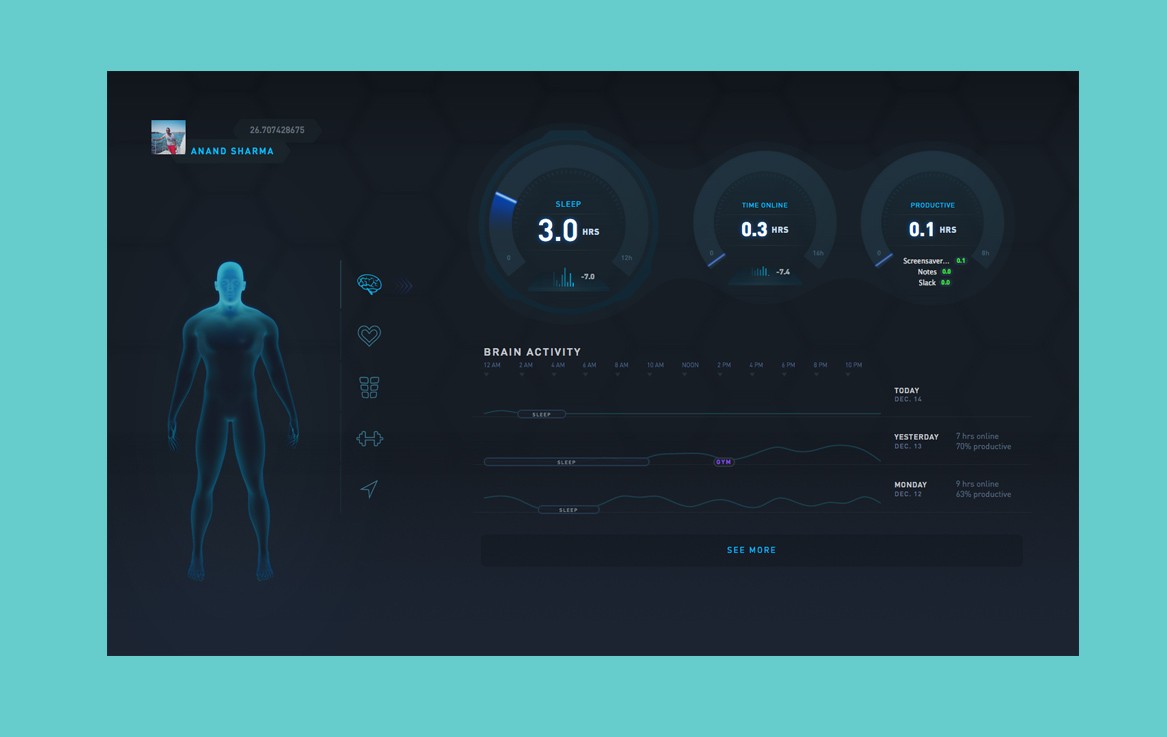
“We entrust all kinds of things to the cloud: our mail and our family photographs; the places we go and the list of people we call on the phone.”
“The predominant economic model behind most internet services is to offer the service for free, attract users, collect information about and monitor these users, and monetize this information” (Mikians et al 1). We search, tweet, post, blog and upload – giving away our words, thoughts, images and intimacies. As a consequence of ‘the network effect’ more people contribute online because others also choose to do so, causing the value and power of the network to increase exponentially as it grows (Leach). This donation of data is reciprocated in the form of power constructs by the private sector (Google, Facebook, Twitter, Yahoo).”
“Google uses ‘personalisation’ where it captures and logs users’ histories and adapts previous search queries into real-time search results, even if one is not signed into a Google account. This search engine bias retains user data as algorithms gather, extract, filter and monitor our online behaviour, offering suggestions for subsequent search requests. In exchange for our data we receive ‘tailored’ advertising, making things fit, turning ourselves into commodities for advertisers and receiving free Internet usage.”